Rules
Part of 4 things to understand about workshop travel supplies
How to choose workshop supplies that reduce barriers
Pick workshop tools by the demand they make on hands and back, ask the program for named items, and know what to do when a bag does not arrive.
What to take away
- Weight, grip and reach cause most trouble on a working trip, and every fix for them also helps anyone hauling a bag through an airport.
- Bring your own adapted tools. A program cannot source them in the time a two-week stay allows.
- Ask for named items, not a description of needs, four to six weeks before arrival.
- Photograph anything irreplaceable before it flies, for insurance and for the lost-bag claim.
- Publicly funded programs carry access obligations, and the paperwork behind them is public.
Design the kit around the demand it makes
Three demands cause most difficulty: carrying, gripping and reaching. Each has an ordinary answer.
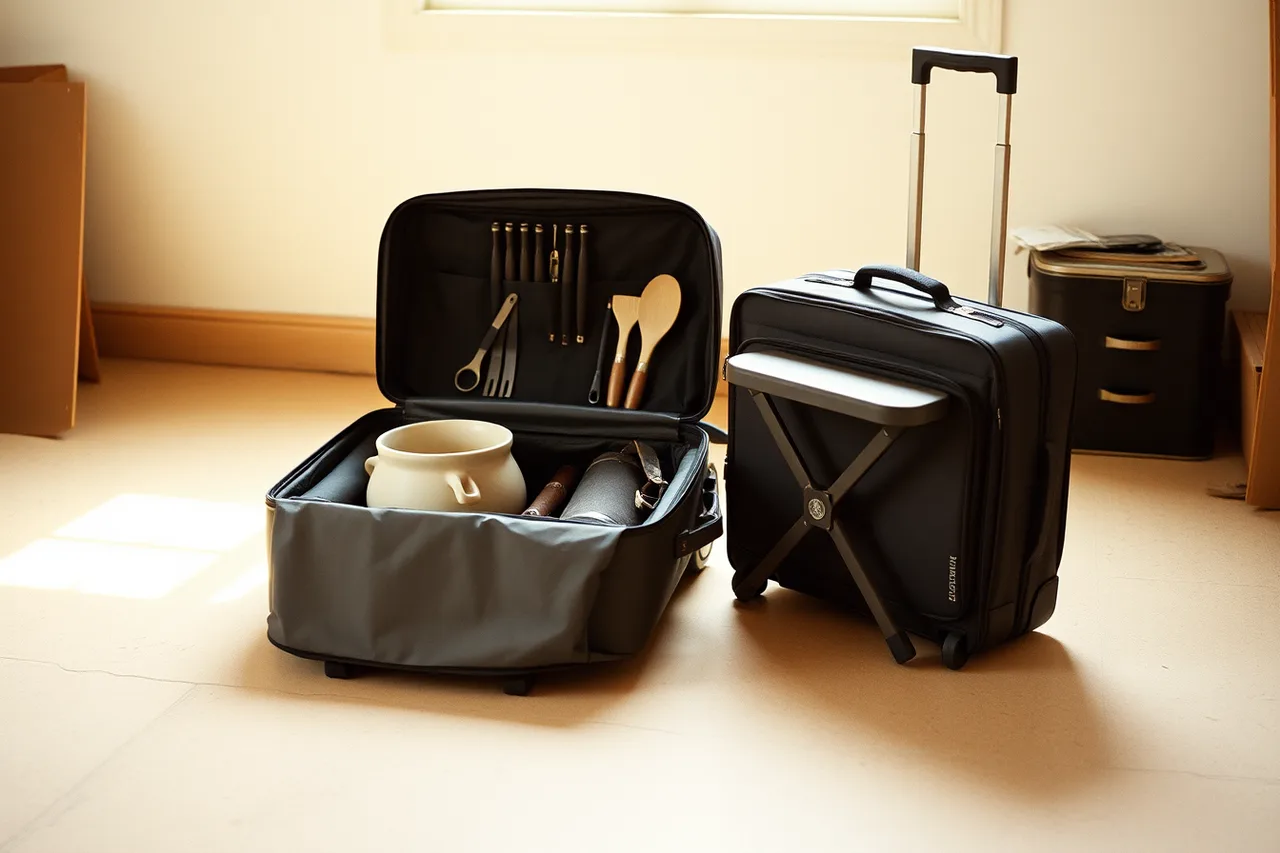
- Split the load into two light bags instead of one heavy one, and use wheels where the floor allows.
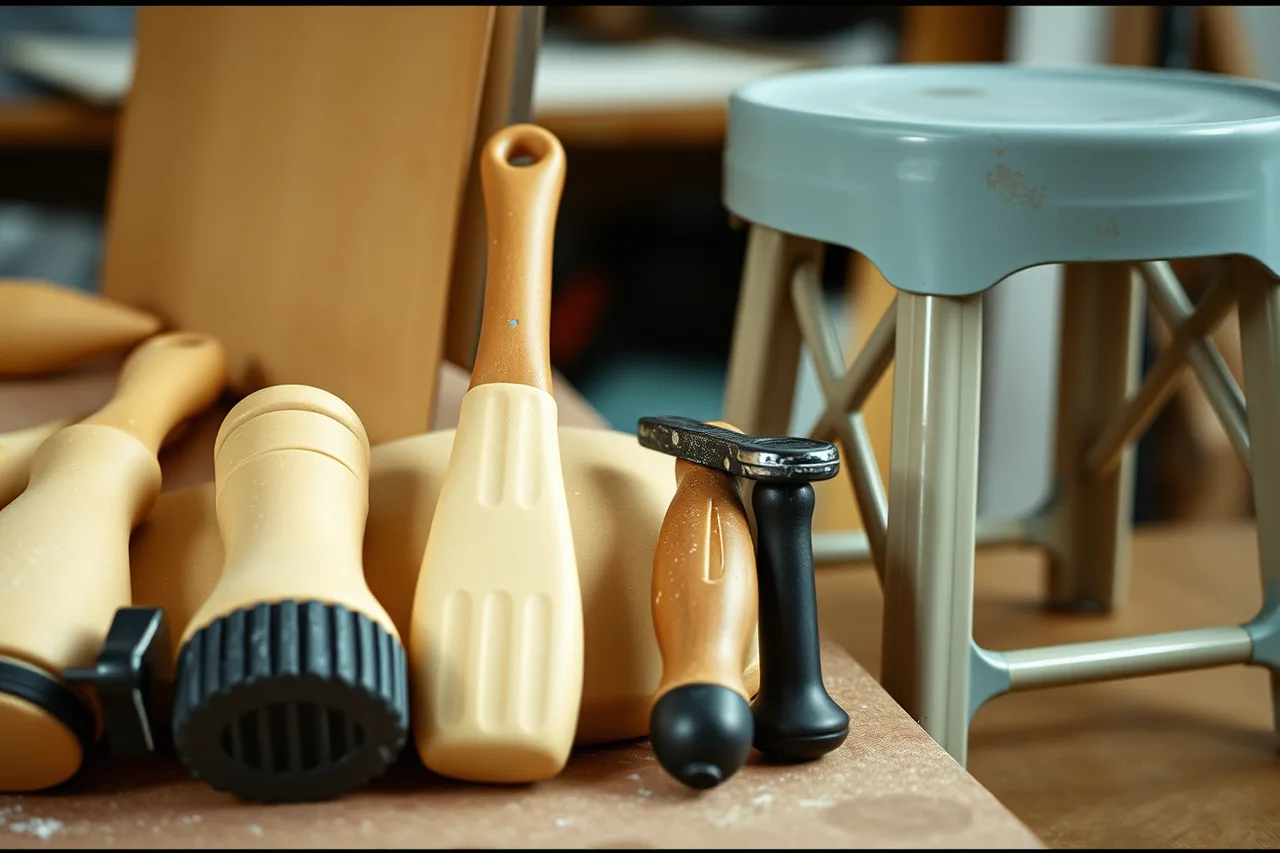
- Choose tools with larger handles, or bring grip aids that fit the ones you own.
- Pack a folding stool so a standing task can become a seated one.
- Buy materials in smaller units even when the unit price is higher.
- Bring two small clamps. Anything holding the work is work your hands are not doing.
- Keep the tools you reach for most at waist height, not spread along a bench.
None of this is specialist equipment. It is ordinary kit chosen with the day's physical demand in mind, which is worth saying out loud to a program that treats the request as unusual.
Bring your own adaptations
Adapted grips, modified handles and jigs made for your own hands travel with you. Programs will not have them, and a fortnight is not long enough to improvise a replacement.
If an adaptation is simple to copy, pack the means to make a second: foam tubing, tape, two cable ties. An improvised replacement is worse than the original and far better than nothing on day two.
Ask the program for specifics
Send a list of items, not a description of needs. A bench at a stated height. A stool with a back. A tool stored at a reachable level. Someone to carry stock from the store to the bench. Each is easy to arrange with notice and impossible on the morning.
Programs that take public funding carry obligations here, and many keep the documentation ready. The National Endowment for the Arts publishes the Section 504 self-evaluation workbook, which grant recipients use to assess whether their programs are accessible to disabled visitors and employees under Section 504 of the Rehabilitation Act of 1973.
A program that has worked through that document answers a specific list quickly.
Example: a kiln day that survives the trip
A ceramicist flying to a two-week residency packs the kit below. The arithmetic is hers to fill in, because baggage allowances and shipping rates change by carrier and season.
| Item | Why it travels | Where it goes |
|---|---|---|
| Two 10 kg bags | No single lift over her limit | One checked, one carried |
| Foam grip sleeves | Fit the studio's own ribs and wire | Hand luggage |
| Two small clamps | Hold work so hands rest | Checked, padded |
| Folding stool | Throwing and glazing seated | Carried |
| Cable ties and tape | Copy a broken grip on site | Hand luggage |
She asks the studio for a bench at a stated height and a stool with a back, and confirms both two days before arrival. If the bag with the grips does not land, she has the ties and tape to rebuild one, and the photograph on her phone to describe what is missing.
Look beyond the single trip
Tool access sits inside a larger question about working in the arts. The National Endowment for the Arts keeps a page on careers in the arts for people with disabilities, with a toolkit for exploring arts careers and the organizations that support them.
Read it before a first residency, because it names routes a single program's staff may not know.
The supplies comparison guide covers the weight and upkeep arithmetic, and the notes on accessible studio itineraries cover pacing a trip built around visits.
Common questions
Should I ship tools rather than carry them?
For anything heavy, yes, and insure the shipment. Photograph the contents first so a claim describes what was in the box.
Will a program adapt a bench?
Often, with notice. Ask in items and heights, not in general terms, and confirm again two days out.
What is the single most useful item?
A folding stool, then a clamp. Both convert a task your body has to hold into one it can rest through.
How early should I ask?
Four to six weeks before travel. That is enough time for a bench to be raised or a stool found, and not enough for anything to be ordered.