Rules
Part of 5 stages that carry a studio itinerary from first purpose to close
Studio Itinerary Building Accessibility: A Planning Guide
Studio itinerary building accessibility in practice: what to ask a studio, how much notice to give, pacing two visits a day, and confirming before you go.
Studio itinerary building accessibility comes down to a few decisions: which stops are fixed, how many visits fit in a day, how much notice an arrangement needs, and how to confirm it at the end. This is what holds up in practice for travelers with access needs.
What to take away
- Private studios are the least accessible stop on most itineraries and the least able to change at short notice.
- Ask about the route, not just the building. A step-free studio up a cobbled lane is not step-free in practice.
- Two visits a day with a real gap between them beats four crammed ones.
- Anything needing arrangement, such as an interpreter or a chair, needs about four weeks of notice.
- Confirm every arrangement two days before, in one line, to the artist and to the venue's front-of-house team.
Why the private studio is the hard case
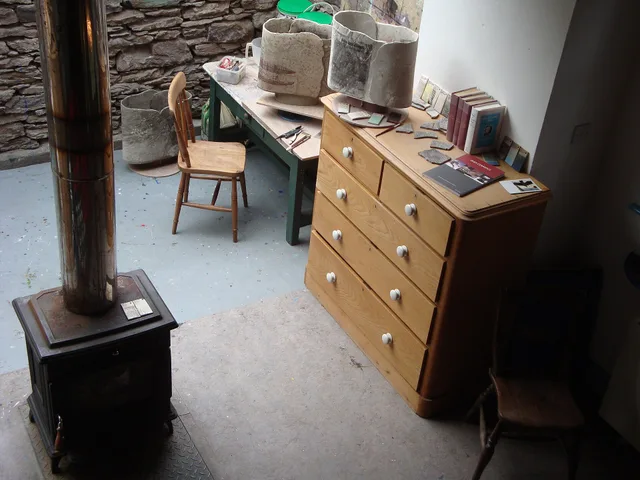
Museums and publicly funded venues have usually written an access description. A private studio is somebody's converted garage, warehouse floor or attic, and no one has ever asked them for one.
That is not hostility. It is that the question has never come up, so the answer has to be practical and unembarrassed. Steps from the street, door width, a bathroom on the same level, somewhere to sit.
Most artists answer honestly, and some will offer to meet elsewhere. That is often the better visit.
Build the day around energy, not distance
Itineraries fail on cumulative fatigue more often than on any single inaccessible building.
Energy-first itinerary rules
- Two visits a day, real gap between
- Most important visit first, freshest
- Booked place to sit between visits
- Lighter afternoon than morning
- One day with nothing in it
That is not caution. It is arithmetic.
Use the venues that have to answer
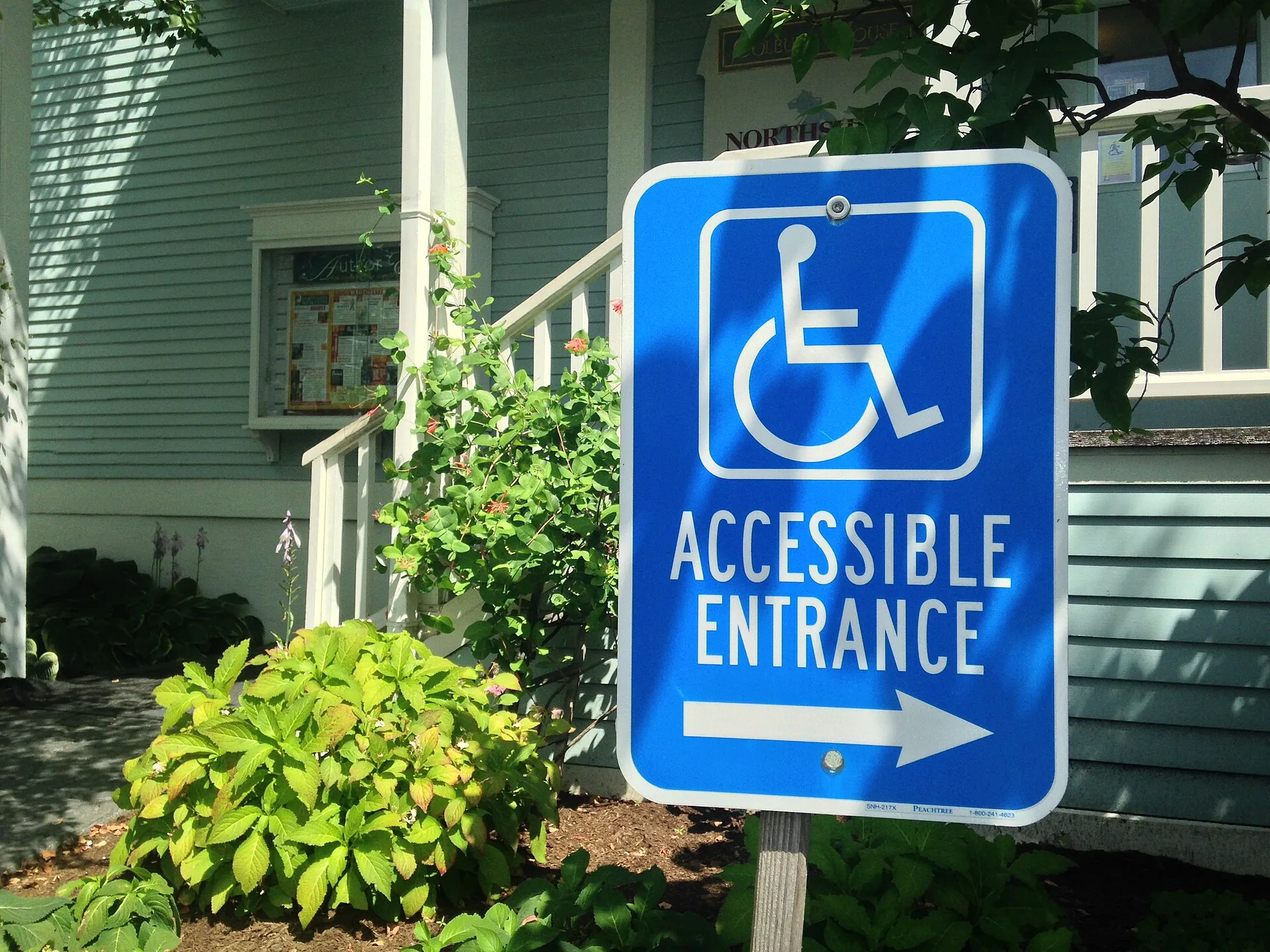
Organizations taking public arts funding work inside an established framework, which means a named person who handles access questions. In the US, venues open to the public also answer to the Americans with Disabilities Act — Title III covers places of public accommodation — and programs that take federal arts money fall under Section 504 of the Rehabilitation Act.
The National Endowment for the Arts collects guidance under accessibility, and its civil rights office runs the agency's accessibility technical assistance for programs and facilities.
The agency also collects creativity and aging material, which matters when a trip has to work for someone with reduced stamina, whether from age, illness, disability or recovery.
So anchor the itinerary on one or two institutional venues that can certainly accommodate you, and treat private studios as the flexible part.
Transport belongs on the same list. In the US, public transit systems that run fixed-route service must offer complementary paratransit under the ADA, and it has to be booked in advance, so it becomes part of the plan rather than a fallback.
Ask early, ask specifically
An interpreter, a chair carried into a studio, a demonstration repeated at a lower bench, a visit moved to a ground-floor cafe: all easy with four weeks, impossible with four hours.
Say what you need, not what you cannot do. "I need somewhere to sit for the visit" is actionable. "I have mobility issues" leaves the other person guessing.
Confirm again two days before. Studios are informal, and a plan made a month ago is genuinely forgotten rather than ignored. One line repeating the time and your one request turns a promise into preparation.
If the venue has an access contact or a front-of-house team, copy them. They are the people who will be at the door.
A worked example of a two-day studio itinerary
An illustrator with a walking aid books two days in a mid-size city, with one institutional venue and two private studios on the list.
Two-day studio itinerary example
- Day 1 morningFunded gallery lift, benches, staffed desk
- Day 1 afternoonPrivate studio, ground floor, taxi 12 min
- Day 1 gapCafe two doors down for sitting
- Day 2 morningSecond private studio only
- Day 2 afternoonEmpty buffer; studio can move to video call
Day one opens at the funded gallery, which has a lift, a bench in every room and a staffed desk. The afternoon holds one private studio twelve minutes away by taxi, ground floor, with a cafe two doors down for the gap between them.
Day two keeps only the second private studio, in the morning, and leaves the afternoon empty as a buffer. If the first day runs long or the walking aid is causing trouble, the second studio moves to a video call and nothing else in the trip collapses.
The sequencing that holds this together is set out in our guide to how studio itinerary building works, from plan to finish, and the accessible options for art workshop destinations travelers notes cover the same questions for a longer teaching stay.
Common questions
Should I explain why I am asking?
Not unless you want to. A practical request about steps or seating does not need a justification attached to it.
What if a studio simply cannot accommodate me?
Ask to meet at a nearby venue instead. Most artists agree readily, and a cafe or library often works better than the studio anyway.
Is it worth asking about parking?
Always, and ask for the walking distance in meters rather than "close by". The number is what you can plan around.
How many visits are realistic?
Two a day for most people. Three only when the studios are geographically close and the visits are short.