Maintenance
Part of Scoring an art workshop destination: a twelve point test for teaching, studios and the route home
Your first art workshop visit: arrival, studio etiquette and level
A first art workshop visit goes better when you arrive early, read the studio's unwritten rules, pick the level honestly and log any money you earn there.
What to take away
- On a first visit to any art workshop destination, arrive the afternoon before if you can. Finding the building, the water and the drying shelves costs nothing then and costs teaching time on day one.
- Watch a shared studio for an hour before you ask anything. Who cleans what, whether tools are communal, whether the good bench is spoken for.
- Ask what a typical participant has already made, not what the program calls its level. Ask what the first exercise is.
- Record every payment on the day you get it, with date and payer. Reconstructing a casual sale months later is the part that hurts.
- Confirm access needs, deposit refund terms and cancelation dates in writing before you pay.
Arrive before the teaching starts
The first morning is friction: finding the building, sorting a locker, learning where the water is, working out whether you can leave work overnight. Do that the afternoon before and day one is yours.
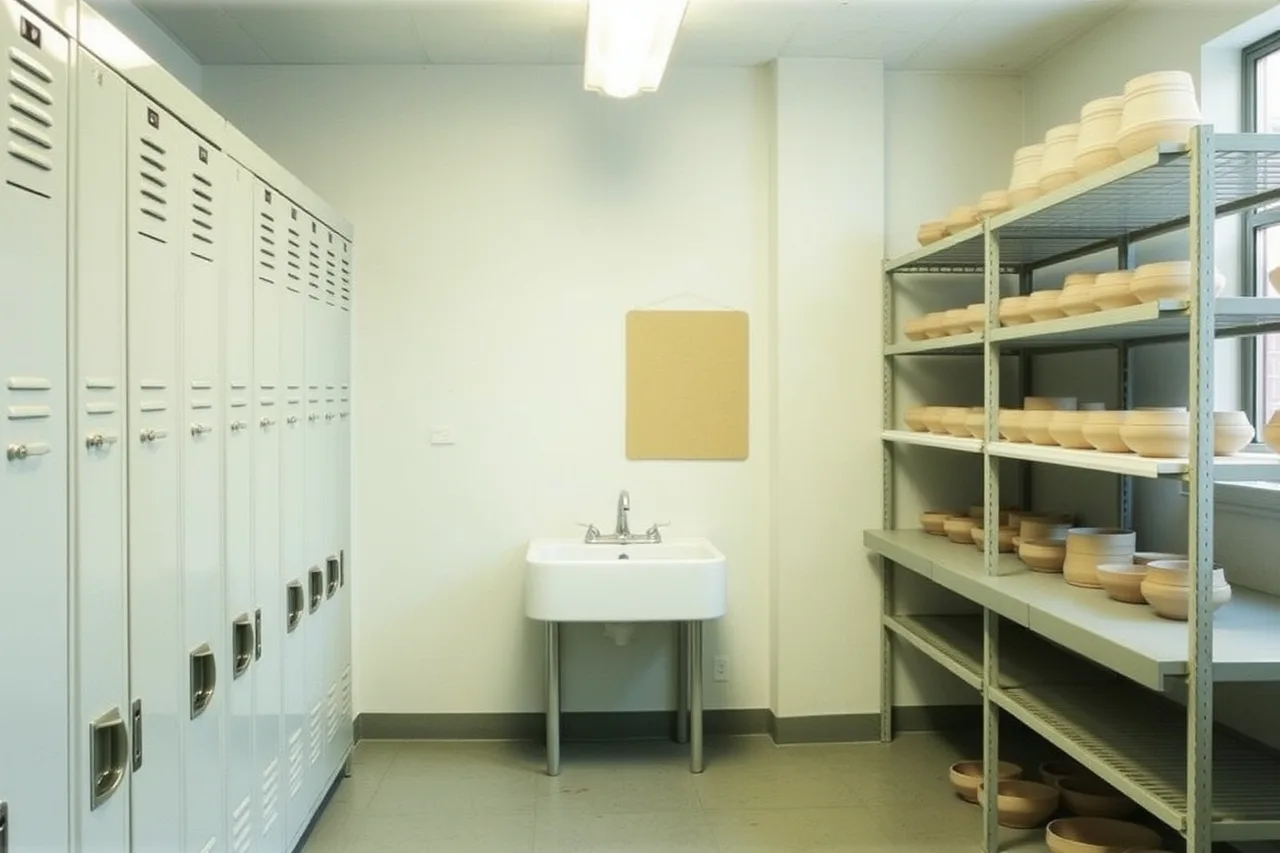
If you cannot arrive early, do the reconnaissance by email. Ask for a photograph of the workspace, ask where deliveries go, ask what time the door is unlocked.
Read the studio culture before you change it
Every shared studio runs on rules nobody writes down. Who cleans what. Whether tools are communal. Whether music is played. Whether the good bench belongs to someone.
Spend the first hour watching. Then ask one person privately what the etiquette is. That question saves three awkward days.
- Clean your own space before anyone mentions it.
- Ask before borrowing a tool, even a small one.
- Ask before photographing another person's work.
- Leave the shared area visibly better than you found it.
Pick the level by what people have made
Programs describe levels loosely. Ask what a typical participant has already done, and ask what the first exercise is. If you could do that exercise competently at home, the class is pitched below you.
Discipline is a separate decision from level. Settle the medium first, whether that is clay, print, glass or paint, and only then ask where you sit within it.
Two more checks help. Ask how many participants share one tutor, and ask whether beginners and experienced makers work on the same brief. Answer those and the level usually chooses itself.
Money that arrives casually is still income
A piece sells at the end-of-week show. A tutor asks you to assist. Someone commissions a small work. It feels like a gift, and it is income.
The IRS runs a gig economy tax center stating that such income is reportable even when it is part time, temporary or side work, and even when no information return is issued.
How that lands on your own return depends on facts only a tax professional can weigh. Ask one rather than assuming a small amount does not count.
Practical habit: open a note on day one and log each payment with the date and the payer. Seconds then, an unpleasant reconstruction later.
Choosing where to go is a separate job, covered in our shortlist article. Access needs belong in the same email as the deposit question: ask about step-free entry, seating and rest breaks in writing before you pay. Our article on accessible options for workshop travelers goes further.
Worked example: a two-day arrival
A potter books a week-long firing workshop that starts Monday at nine.
A two-day arrival
- Saturday, walks the route to the studio, and photographs the door and the loading bay.
- Sunday afternoonshe asks the studio manager where greenware is stored and whether work can stay overnight.
- Mondayshe is at a wheel by nine, having spent none of the teaching day on logistics.
The same three steps work for a darkroom, a print shop or a shared writing room. The point is to spend the cheap day on the boring questions.
Common questions
Should I bring my own tools?
Bring the few you cannot work without. Assume everything else is provided badly, and ask the studio directly if a specific tool matters to your process.
How much should I talk to the tutor?
Ask one good question a day. Following a tutor around produces less work than sitting down and making something does.
What if the class is not what was advertised?
Say so on day one, politely and in person, to whoever runs the program. Nothing improves if you wait until day four.
Is it worth staying on after the workshop?
Two extra days often produce the best work of the trip, because the pressure of the class is gone and the studio is still open.