Industry
Part of Scoring an art workshop destination: a twelve point test for teaching, studios and the route home
Choosing lodging near an art workshop destination: distance, type and practical questions
How to choose lodging near an art workshop destination: walkable distance, program housing, rentals, small town limits and the questions to ask before booking.
What to take away
- Walking distance beats everything. A twenty-minute walk to the studio changes how many hours you actually spend in it.
- Decide early whether you need a room to sleep in or a room to work in. They are priced and found differently.
- Small workshop towns have thin lodging markets, so the choice is often three options rather than thirty.
- Ask about the practical details that ruin a staylaundry, kitchen access, heating, parking and noise.
Distance is the whole decision
Everything else about lodging is negotiable. Distance is not. If the studio is a fifteen-minute walk away you will go back after dinner, and those evening hours are usually where the good work happens. If it is a twenty-minute drive you will go once a day and stay for a fixed block.
Distance Rule Before You Look
Is the studio a walkable distance?
Walk; return after dinner for evening work
Is a short bus or bike ride possible?
Set a rule before you look: walkable first, a short bus or bike ride second, driving only if the first two do not exist. Then measure the walk on a map rather than trusting a listing that says "close to the studio".
The three kinds of lodging around workshop towns
Three kinds of lodging
- Program housing, when the workshop offers rooms. Usually the cheapest, usually the least private, and always the easiest logistically.
- Short-term rentals, which give you a kitchen and space to spread out. Best for stays over a week.
- Small inns and guesthouses, which give you breakfast and local knowledge and rarely give you table space.
Match the type to the length. Under four nights, convenience wins. Over a week, a kitchen and a table start to matter more than anything else.
Lodging Types by Stay Length
Program housing
- Cost
- Cheapest
- Privacy
- Least
- Kitchen
- No
- Table space
- No
- Best stay
- Under 4 nights
Short-term rentals
- Cost
- Varies
- Privacy
- Private
- Kitchen
- Yes
- Table space
- Yes
- Best stay
- Over a week
Small inns
- Cost
- Mid
- Privacy
- Private
- Kitchen
- No
- Table space
- Rarely
- Best stay
- Short stays
Why small towns have few options
Workshop towns are often small by design. Small places have limited lodging stock and limited off-season capacity. Rural planners have treated this as a live problem for years.
The National Endowment for the Arts ran the Citizens' Institute on Rural Design with the Housing Assistance Council. It focused on communities of fifty thousand people or fewer, using design and planning to improve quality of life and economic viability.
Read that as a warning against assuming a town will behave like a city. If there are four places to stay, book early and expect the last one to be poor.
The questions to ask before booking
Questions to ask before booking
- Is there a table I can work at, and how big is it?
- Is laundry available, and does it cost extra?
- What is the heating and can I control it?
- Is there parking, and is it included?
- What is the noise situation on weekend nights?
- Can I receive a parcel here, and will someone sign?
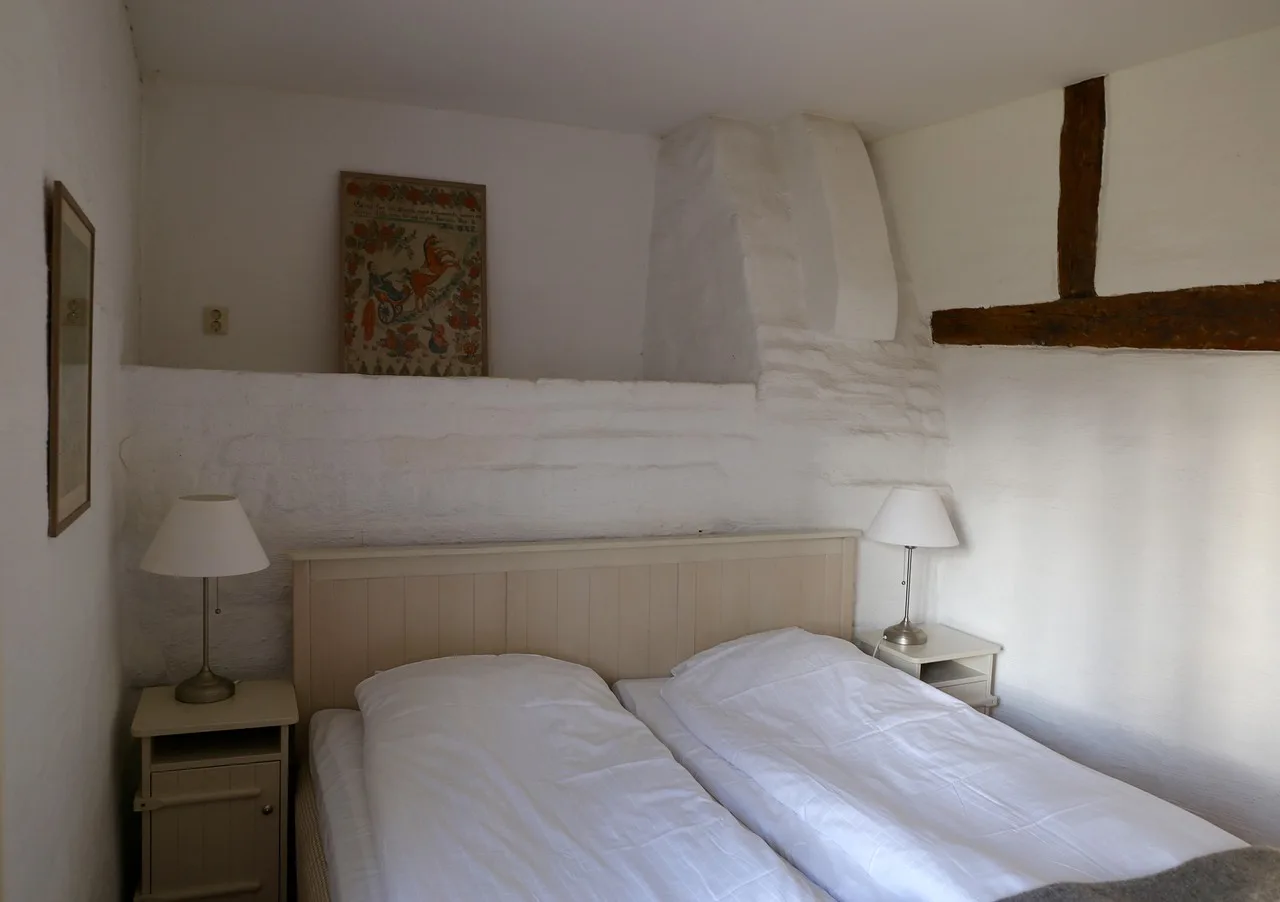
If you will be working in the room at all, ask specifically about the desk and the light. Listings photograph beds and kitchens, and almost never photograph the surface you would actually use.
Working from the room, and the limits of that
Some people run part of a trip from their accommodation, which raises the question of what counts as workspace. The IRS explains in Topic 509 on business use of the home that the tests turn on exclusive and regular use of part of the home as a principal place of business, among other conditions.
A rented room on a two-week trip is another situation. How it applies to you is a question for a tax professional.
The twelve-point shortlist test covers choosing the program itself, and the two-day itinerary is a cheap way to see a town before committing to a longer stay.