Guides
A pottery retreat packing list built around clay, glaze and kiln schedules
Pottery retreat packing list: what to bring for clay, glaze and kiln time, what to leave at home, and what the studio itself will not hand you.
What to take away
- A canvas apron is the first item in the bag.
- Studios supply wheels, kilns, and glazes, but not a mask that fits your face.
- Leave clay and the full factory tool kit at home.
- TSA blocks tools longer than 7 inches from carry-on bags.
- Pack for the climate of the hub, not the season on your calendar.
A pottery retreat packing list starts with a question most gear guides skip: what does the studio already own? Get that answer in writing, because the list changes by site and by firing schedule. Tools bought for a working pottery practice are ordinary business expenses, so keep the receipt. IRS Publication 535 explains which supplies count.
The short list
A canvas apron goes in first. The apron hanging on the studio wall is shared, cut for a taller body, and stiff with years of dried slip. Everything else follows from a short list of five items.
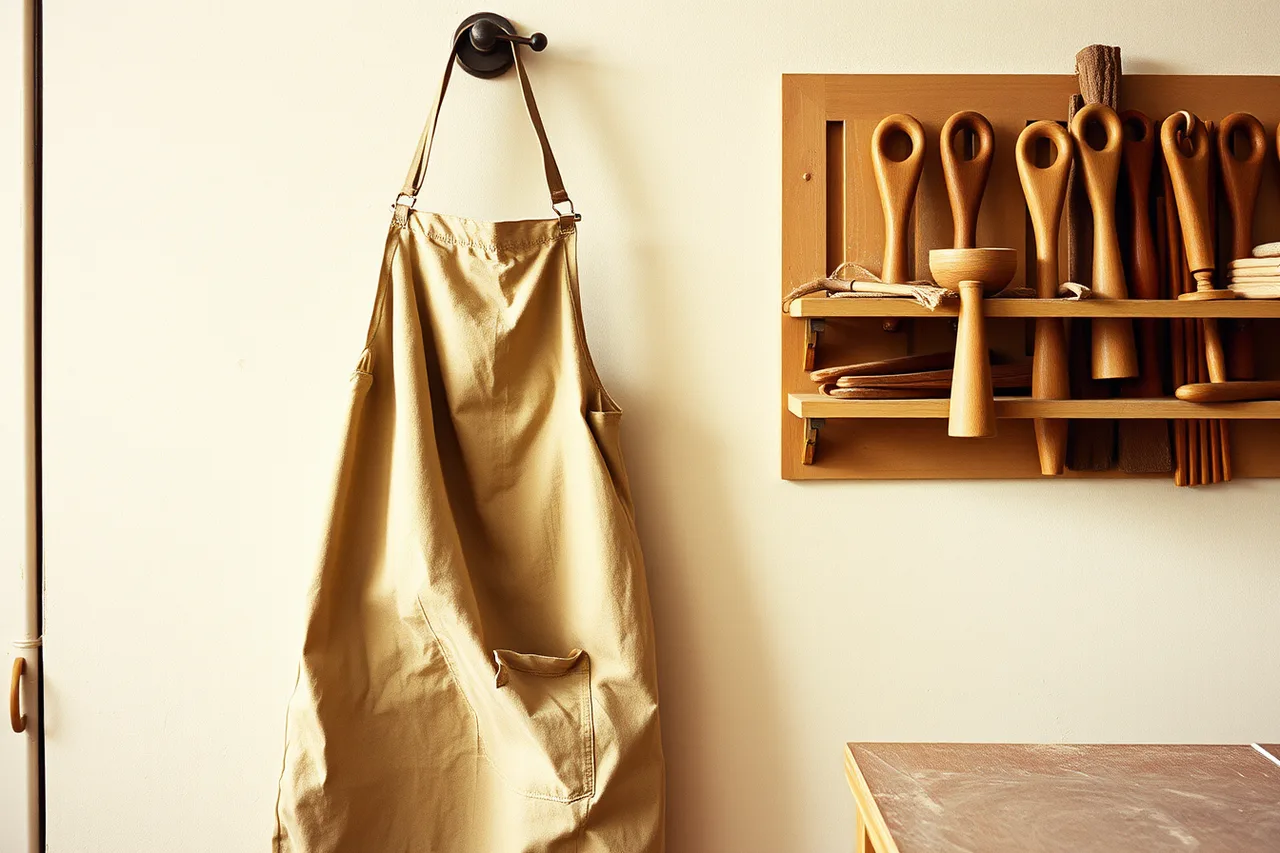
- Canvas or heavy cotton apron, one clean and one for glaze day
- Wooden ribs, a metal kidney, and two loop trimming tools you already trust
- A needle tool and a wire cutter with a wooden handle
- A P100 or N95 respirator for glaze mixing and kiln shelf scraping
- A notebook for cone numbers, glaze recipes, and firing notes
What the site does not provide
Kilns, wheels, and pugged clay are almost always on site, and most residencies mix glazes in communal buckets. Fitted respiratory protection is not. A shared mask leaks.

Silica dust is the reason it matters. OSHA's crystalline silica standard for general industry sets a permissible exposure limit of 50 micrograms per cubic meter across an eight-hour shift, at 29 CFR 1910.1053.
Studios also stop short on small consumables: chamois, sanding pads, clear glaze in a sprayer, and clean buckets for reclaim. Firing costs usually sit outside the tuition, and the breakdown of a pottery retreat in North Carolina cost shows kiln fees billed by the shelf or by the cubic foot.
What to leave at home
Clay is the clearest no. A 25-pound bag blows the weight limit on most airlines, and every studio fires its own body, so yours sits unused.
Glaze ingredients are a close second. Studios buy oxides and frits in bulk, and a personal jar of cobalt becomes a labeling problem for whoever runs the mixing room.
A banding wheel is third. It is heavy, awkward to wrap, and every well-equipped studio owns several.
The full 15-piece factory tool kit is fourth. Four tools do the daily work, and the rest stay in the foam until you lose them.
Greenware breaks in transit, so plan for what you ship home rather than what you carry in.
Before you commit, first studio visit etiquette covers who owns the shelf space and who cleans it.
The one item that is worth its weight
The respirator. It costs more than the apron and takes up more room than the ribs, and it is the only item on this list that protects your lungs. Buy one fitted to your face, not the cheapest box of disposables.
Three questions decide the rest of the bag:
- Ask for the studio's tool inventory before you pay a deposit.
- Ask which cones the studio fires, bisque and glaze.
- Ask who cleans the kiln shelves and where the dust goes.
Any answer of "we have everything" deserves a follow-up email. Keep receipts from day one, and IRS Tax Topic 804 sets out the recordkeeping standard if a trip is ever questioned. The answers also tell you whether to bring your own tools or trust the shelf.
Packing for the weather you will actually get
Pottery hubs sit in very different climates, and the walk between dorm and kiln shed decides what you wear. Figures below are typical ranges, not forecasts.
Summer
- Western North Carolina
- 80s F, humid, afternoon storms
- Montana
- 80s to 90s F, dry, cool nights
- Rural Ohio
- 80s F, humid
Winter
- Western North Carolina
- 30s to 40s F, damp
- Montana
- Single digits to 20s F, dry snow
- Rural Ohio
- 20s to 30s F, wet
What it changes
- Western North Carolina
- Two aprons and a rain shell
- Montana
- Layers and a heavy coat for the kiln shed
- Rural Ohio
- Boots that handle mud
Dry air in the Mountain West pulls moisture out of greenware faster than a humid Carolina studio does. Wrap pieces sooner than you would at home.
- Two aprons, one reserved for glaze day
- Studio shoes that stay on site for the whole session
- A dust brush and paper for wrapping greenware
- A plastic bin for wet pieces on the trip home
A photographer's creative retreat kit follows the same logic, where power and permissions get checked before anything is packed.