Features
Part of Creative retreats for people who want the details
A photographer's creative retreat kit: power, permissions and expenses
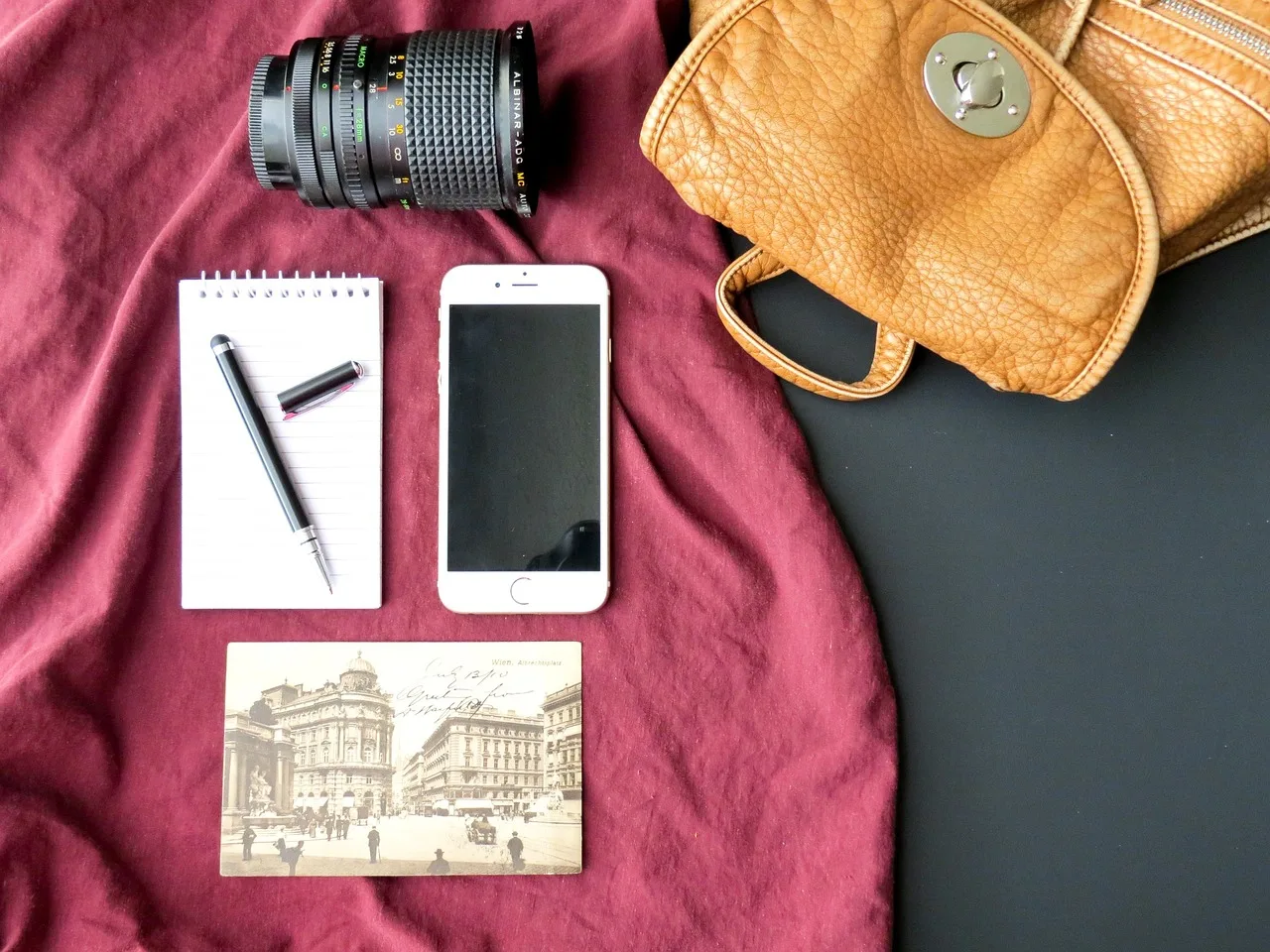
What photographers actually need on a creative retreat: power and storage planning, backup discipline, permissions to shoot people, and travel expense records.
What to take away
- Photography on a retreat fails for boring reasonsno power at the right time, no second copy of the files, no permission to publish a face.
- Plan storage before you plan lenses. A week of raw files is a volume problem, not a gear problem.
- Anything you shoot of other residents needs consent that is specific about publication, not a nod in a corridor.
- Keep the travel and equipment paperwork as you go. Reconstructing it in April is far harder than filing it in May.
Power, light and the shape of the day
Most retreats are not built for photographers. Outlets sit in the wrong wall, corridors lack daylight, and the only good north window is a painter's.
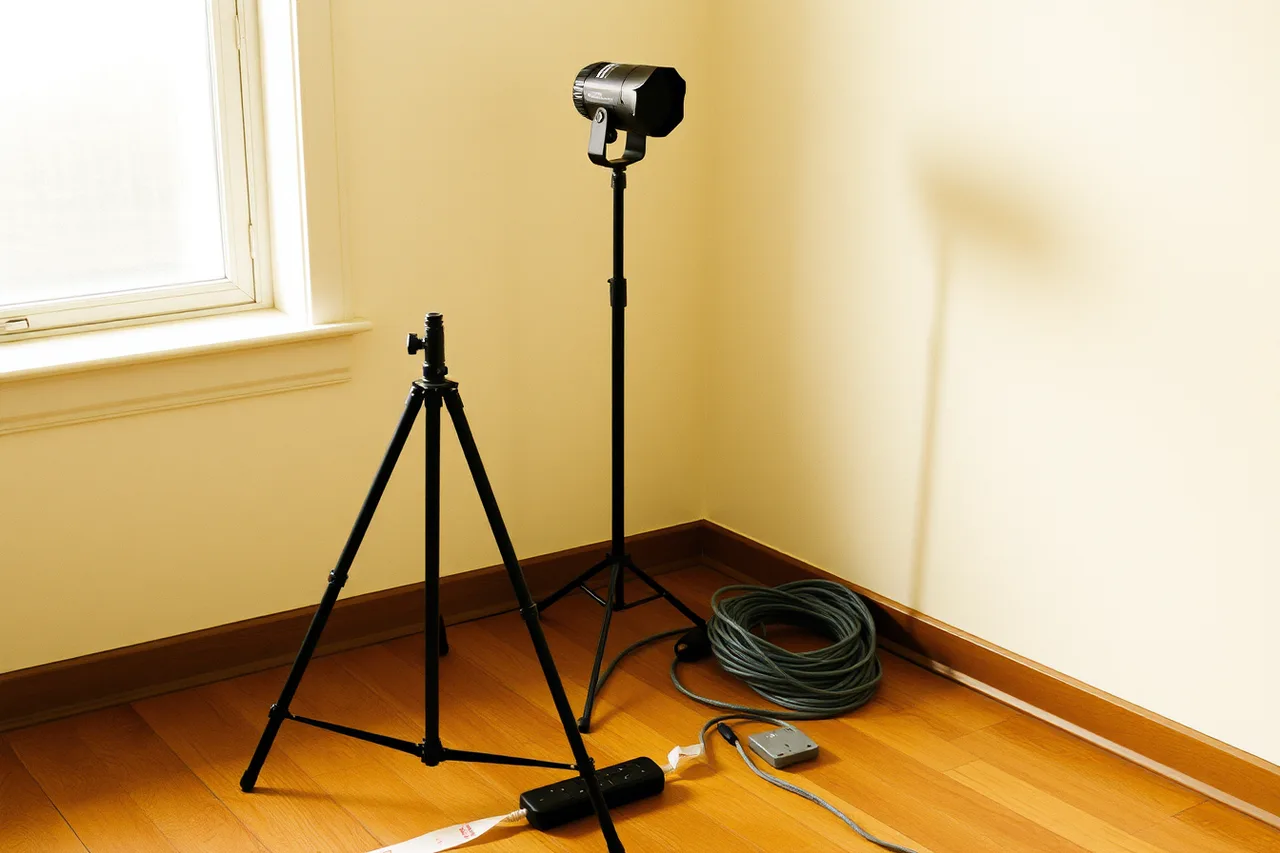
Before you arrive, ask how many usable outlets your room and studio have. Also ask whether the building trips a breaker when three people charge at once, and where to set a light stand without blocking a fire route.
Then map the light. Two days of noting where the sun lands at eight, noon and six is worth more than any equipment decision. Retreats have long days and few interruptions, which is exactly what a slow, repeated observation needs.
The kit list that survives contact
- Two bodies, or one body and a genuinely usable second camera. A single failure should not end a residency.
- Cards in numbers, treated as consumables rather than assets.
- Two independent backups, one of which never travels in the same bag as the camera.
- A power strip, a long extension and more adapters than seems reasonable.
- Cleaning supplies suited to the medium in the building, since studios with plaster, clay or sawdust are hostile to sensors.
- A small tripod that fits hand luggage, plus a heavier one only if you know the work needs it.
- Printed release forms, because a phone signature is easy to lose.
Permissions, and why they are not a formality
A retreat is a residential setting. People will be tired, mid-work and occasionally in a bathrobe. Ask the host what the house rule is on photographing shared spaces, and get individual consent for anything that identifies a person.
The National Endowment for the Arts describes in its overview of film and media arts how broadly the field stretches across cinema, audio, broadcast and new media.
For you, a still shot in a shared studio may end up in a video, a grant application or a website. So consent should cover use, not just the moment of taking.
Write consent down. Name, date, what was photographed, where it may appear, and how to withdraw. One page.
The expense trail
Photography turns a retreat into an expensive trip quickly: freight for lighting, insurance, a rented lens, mileage to a location. IRS Publication 463 covers travel, gift and car expenses. The agency's summary of what Publication 463 explains is blunt about the part people skip: what records you need to prove an expense and how to treat any reimbursement you receive.
Whether any of it applies to your return depends on your circumstances, so ask a tax professional. Either way, photograph your receipts nightly. It takes a minute and it is the only version that survives a wet coat pocket.
The creative retreats starting point explains what kinds of stay exist, and the booking questions list includes the studio and delivery questions that matter most to a photographer.