Guides
Packing for a site visit to a retreat center operator's property
Packing for a site visit to a retreat center means bringing a tape measure, camera, notebook and the right questions to assess the property well.
What to take away
- A site visit is a survey, not a tour. Carry a tape measure, a camera and a printed question list.
- Photograph the bathroom, the kitchen, the studio floor and the walk from bed to bench. Listings never show them.
- Ask about occupancy, staffing and maintenance, not atmosphere. How a place runs is what a stay feels like.
- Write the visit up within two days. Notes with a date, a location and a named contact are the deliverable.
- Skip the centers that cannot answer basic access questions. That silence is your answer.
The kit
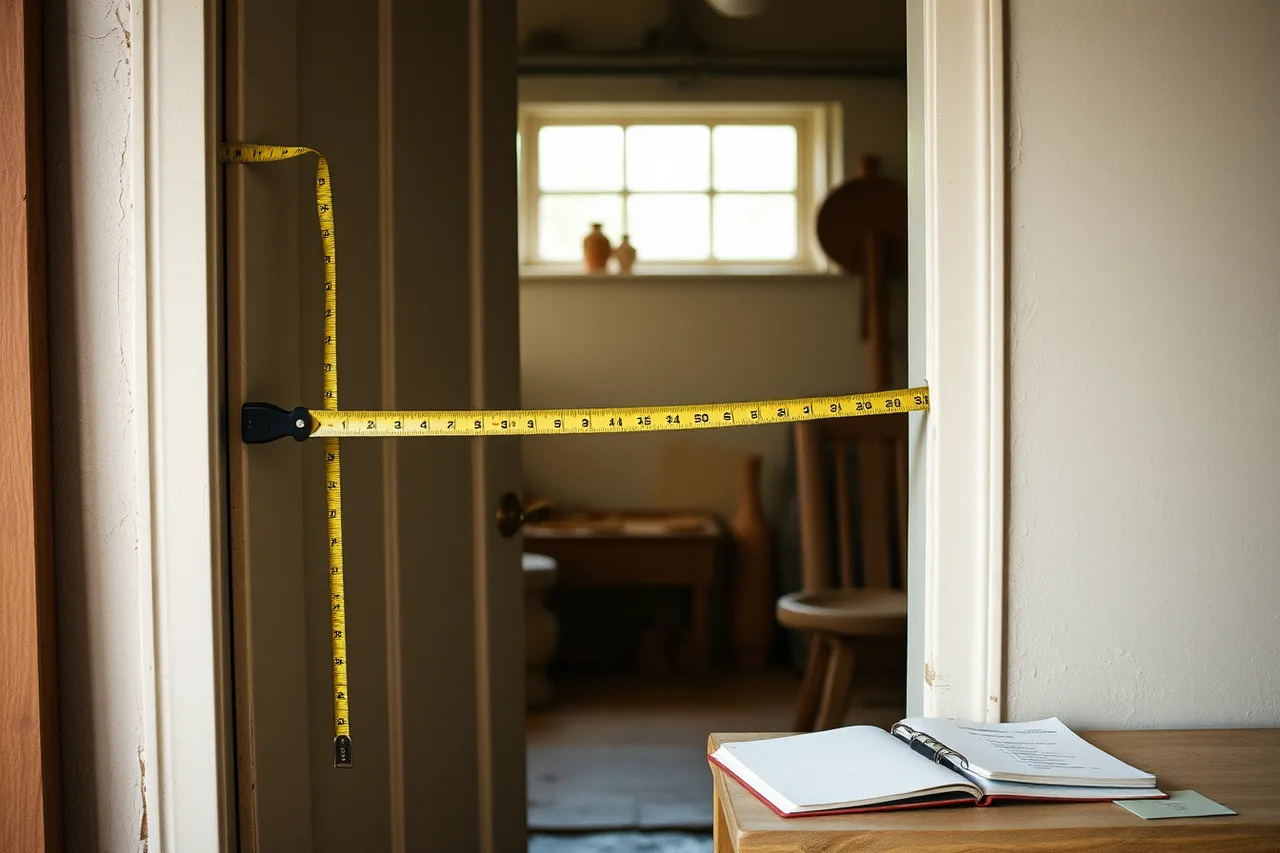
- Tape measure, for door widths, bench heights and the true size of a studio
- Camera or phone with spare storage, used systematically
- Printed question list, because you will forget three questions otherwise
- Notebook for what people say, which usually matters more than what they show
- Outlet tester or a phone charger, to confirm the power works where you would work
- Shoes for walking the whole site, not the lobby
What to photograph
Photograph what will matter in four months, not what looks good today. The studio floor and its drainage. The bathroom. The kitchen and its storage. The walk from the bedroom to the studio, in sequence. The entrance and its steps. The heating controls. The waste and recycling. The road in and the parking.
Number the images against your question list. Twelve labeled photographs beat sixty attractive ones.
Ask before you photograph anything, and say what the images are for. Most operators agree at once. Some ask you not to shoot guest areas while residents are in, which is a fair request and a good sign about how they treat people.
What to skip
A visit is also a filter, and the fastest filter is a question the operator cannot answer.
Skip a center that cannot tell you its studio hours in writing, or whether the residency fee covers materials and kiln time. Skip one that will not name its cancelation terms and deposit refund policy before you ask twice. Skip a venue that photographs beautifully and cannot describe its fire evacuation route or who runs the kiln.
None of that is a judgment on the place. It tells you where the effort has gone, and you can spend your deposit somewhere that has spent it on the things you will use.
Ask about compliance and access, plainly
Centers taking public funding carry obligations worth understanding, and asking about them shows how organized a site is.
The National Endowment for the Arts publishes civil rights FAQs for applicants and grantees, which explains that applicants certify compliance with civil rights statutes governing nondiscrimination in federally assisted programs, including race, color, national origin and disability. Age and sex are covered.
A site that can talk fluently about its access arrangements has usually thought about its guests. One that cannot may still be a lovely place, but you now know where the effort has gone.
Keep the records afterwards
Write the visit up within two days, while the photographs still mean something. If you do this professionally, the notes are a work product. That applies as a program coordinator, an agent or a consultant. They should look like one: date, location, named person spoken to.
That matters for your own records too. The IRS explains that Schedule C reports income or loss from a business operated or a profession practiced as a sole proprietor.
The form also sets out what makes an activity a business: the primary purpose is income or profit, and you are involved with continuity and regularity.
Whether your site visits sit inside that description is a question for a qualified accountant, not for a packing list.
The 2027 operator watchlist covers what to check on the operations side, and the travel packing method covers the general trip kit this sits on top of.
Common questions
How long does a proper site visit take?
Two to three hours for a small center, longer if you are watching a session run. Book the visit around the working day, not the tour slot.
Should I visit in season or out?
In season, to see it working. Out of season, to see it honestly. Do both if the travel allows, and compare the two sets of notes.
Is it rude to measure things?
No. Operators who host groups expect it, and most will lend you a tape if you forgot yours. Ask before you open a closed door.
What single question reveals most?
What do guests complain about most often. The answer is always instructive, and the pause before it is instructive too.