Features
Part of What creative stay case studies leave out and the questions to ask
How to document a creative stay: photos, captions and a daily log
Documenting a residency means shooting the workspace and conditions, captioning each image that evening, keeping a daily log, and writing it up months later.
What to take away
- Shoot the workspace in the first two days, before the awkward step and the single outlet stop registering.
- Caption the same evening. An uncaptioned folder is unusable by the time you want it.
- Log hours, output, failures and spend daily, somewhere that does not need a signal.
- Write the account three to six months after the stay, not on the journey home.
- Ask the host before photographing the site, and each person separately before photographing them.
What to photograph
Most people come home with the view and the finished work. Neither tells the next artist whether the bench is tall enough.
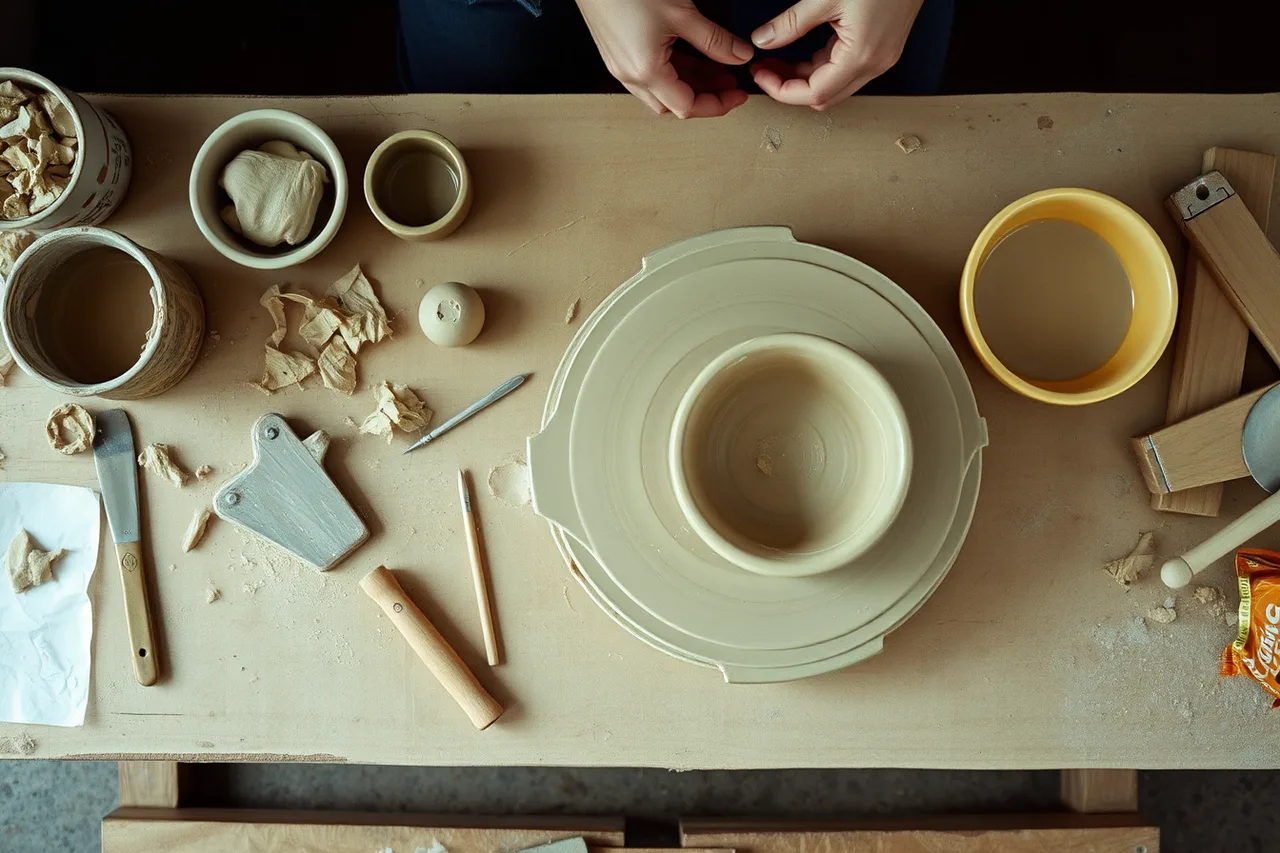
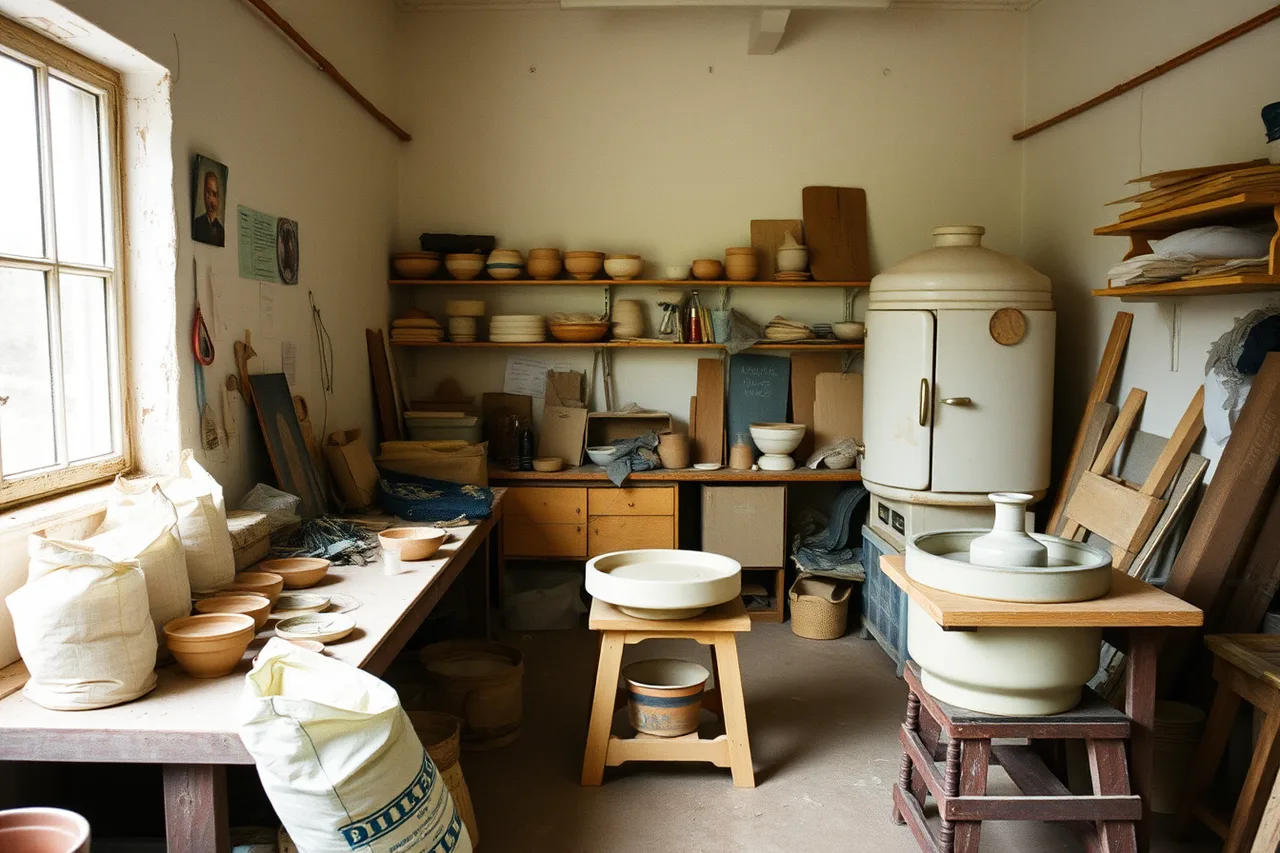
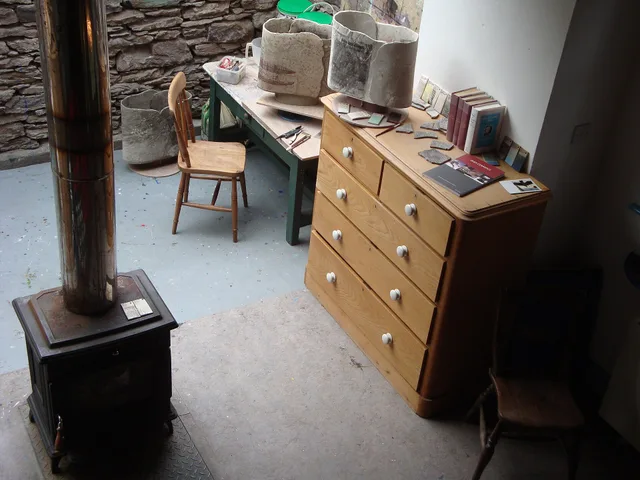
Shoot the workspace as you found it, then mid-project with the mess in frame. Shoot each stage, failures included, and the materials with their labels readable.
Then shoot the conditions: light at different hours, the bench, the storage, the weather. Add the route from bed to studio to supplier, and the finished work on a plain background.
Two or three images in each of those categories is a record. Four hundred images of the same corner is not.
Familiarity is what defeats this. By week two the narrow doorway and the window that only works in the morning have gone invisible, and those are the details the next person books around.
Caption the same evening
Ten minutes nightly: what the image shows, the date, what was happening, what you learned. Skip it and the folder becomes a pile you never reopen.
The National Endowment for the Arts runs its arts data profile series on the same principle. Each collection is dated, numbered and summarized, so a figure can be traced back to its source years later.
Keep a working log beside the images
One line a day: hours worked, what was made, what went wrong, what you spent. Over a fortnight that tells you more about your own working pattern than any amount of reflection afterwards.
It also makes the account credible. An essay calling a residency productive is a claim. A log showing nine working days out of fourteen is evidence.
Keep it offline-capable and copy it into the image folder weekly. A log that lives only in an app you abandon is a log you will not have in two years, which is when you will want to compare one stay against another.
A worked example: the fourteen-day log
Say a two-week stay costs a fee of F, travel of T, and materials of M. You log fourteen entries.
- Day 1arrival, workspace photographed as found, no studio hours.
- Days 2 to 6five working days, kiln access booked twice, one glaze failure logged.
- Day 7rest day, supplier trip, receipts photographed with the log entry.
- Days 8 to 12four working days, one lost to a power cut, six finished pieces.
- Days 13 and 14packing, finished work shot on a plain background.
Nine working days out of fourteen, at (F + T + M) / 9 per working day. That number is the one a funder or an editor can check, and it is the one you will want before booking the next stay.
Write it up later
Wait until the follow-up period ends, usually three to six months, then write. Include the money, the working days, what went unfinished, and what happened to the work afterwards.
If the account is meant to reach editors or funders, treat the writing as its own task. The Small Business Administration's guidance on writing a press release that gets results makes the point that a release is now read online by far more than journalists, and that its conventional parts exist for a reason.
A residency write-up works the same way. The specific, checkable parts are what get read.
The analysis of what case studies reveal covers what most accounts leave out, and the photographer's list for avoiding retreat mistakes covers backup discipline.
Common questions
How much should I photograph?
Enough to reconstruct the working conditions, which is usually about twenty images a week. Conditions first, finished work last.
Do I need permission to photograph the site?
Ask the host, and ask each person separately before they appear in a frame. Rules on photographing identifiable people vary by jurisdiction, so check with the relevant privacy or copyright authority where you are working.
What if the work failed?
Document it. Accounts of stays that went badly are rarer and more useful than accounts of stays that went well, and the failure is usually the part that transfers.
Should I post as I go?
It changes how you work, and most people find they document better in private and publish afterwards. If you post during the stay, keep the captions factual and dated.