Features
How winter, wildfire season, and daylight shape Canadian retreat dates
Canadian retreat seasons hinge on daylight, wildfire smoke and Parks Canada access, not the calendar. Here is how to pick winter, summer or shoulder windows.
What to take away
- Canadian retreat seasons are shaped by latitude, daylight, smoke risk and park access, not by the calendar alone.
- Winter works for northern light and isolation, but travel risk and short days constrain studio output.
- Summer carries the highest wildfire smoke risk, and it is the window most likely to force work indoors.
- Spring thaw and fall shoulder seasons offer quiet, cheaper windows with steady daylight.
- Parks Canada closures and permit rules can move a retreat date, so check access before booking.
- A seasonal buffer in the booking absorbs smoke, thaw and closure surprises.
The four windows that matter
Most Canadian residencies fall into four practical windows. Winter runs December to March. Late spring runs May to mid June. High summer runs late June to August. Fall shoulder runs September to late October. Each has a distinct risk profile.
Four Canadian retreat windows
Winter
- Months
- Dec-Mar
- Daylight
- 6-10 hrs
- Main risk
- Cold, delays
- Best for
- Aurora, isolation
Late spring
- Months
- May-mid Jun
- Daylight
- 14-18 hrs
- Main risk
- Thaw, insects
- Best for
- Steady light
High summer
- Months
- Late Jun-Aug
- Daylight
- 15-19 hrs
- Main risk
- Wildfire smoke
- Best for
- Outdoor work
Fall shoulder
- Months
- Sep-late Oct
- Daylight
- 10-14 hrs
- Main risk
- Early snow
- Best for
- Low cost
Why Canadian retreat seasons are decided by climate, not the calendar
A retreat calendar built on the four seasons misses how Canada actually behaves. Latitude stretches daylight from under seven hours in Whitehorse in December to more than nineteen in June. Smoke from Interior British Columbia can reach Calgary or Saskatoon within a day. Parks Canada closes some facilities on fixed dates and others on conditions.
Treating season decides the price and risk as the first planning question sidesteps most of this. The second question is where in Canada, because the country spans six time zones and several climate zones.
A Yukon cabin and a Nova Scotia farmhouse differ in population, geography and cost, which the Census regional data covers.
Winter residencies: northern light, isolation and travel risk
Winter is the season that draws artists who want darkness, silence and the aurora. In Yukon, aurora season runs roughly late August to mid April, with the clearest skies in the deep cold of January and February. Northern Alberta, around Fort McMurray and Peace River country, offers similar sky conditions with easier road access from Edmonton.
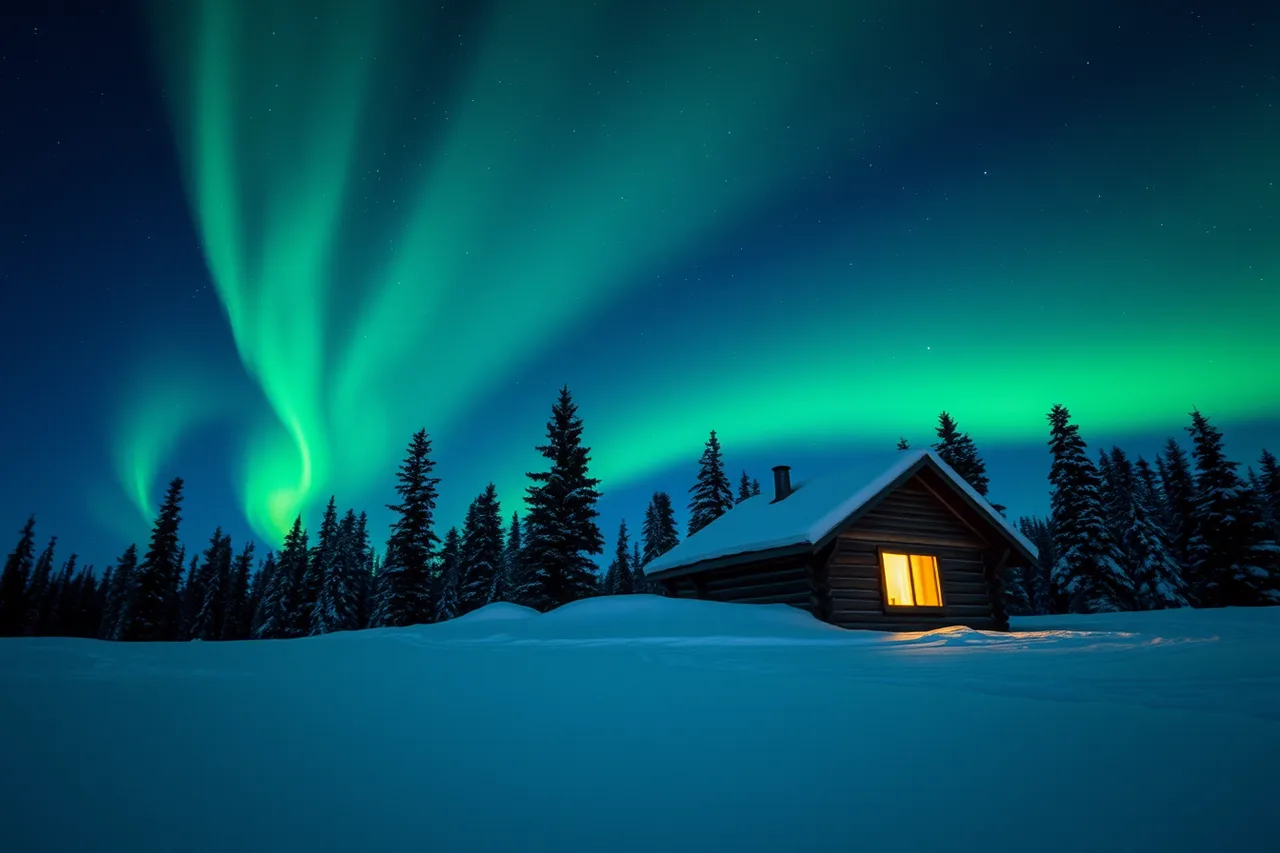
Daylight is the trade. Whitehorse sees about five and a half hours of daylight at the winter solstice. A studio day that starts at ten and ends at three is realistic. Organizers should schedule indoor work, editing, writing and darkroom sessions for the short days.
Travel risk is real. Winter storms can close highways and delay flights into Whitehorse, Yellowknife and northern Alberta airports. A residency that begins on a fixed date should build two buffer days on each side. Artists flying from Toronto or Vancouver should book refundable fares where possible.
What winter asks of a studio
Heat, light and food logistics dominate. A cabin at minus thirty needs reliable heating and a backup source. Groceries in remote communities cost more, and some suppliers deliver weekly. A winter residency that does not plan for food and fuel will lose days to errands.
This is also the season where off-season suits a writing retreat stay most clearly. Writers need fewer materials, less space and less daylight than painters or sculptors, which makes a northern winter cabin a practical fit.
Wildfire season and summer smoke: which regions and which months
Wildfire season in Canada now runs from May to September in most years, with the worst smoke in July and August. British Columbia, Alberta and Saskatchewan carry the highest risk. The Interior of British Columbia, from the Okanagan to the Cariboo, and northern Alberta around Fort McMurray and Grande Prairie, see the most evacuation orders.
Smoke does not stay local. A fire in northern Saskatchewan can blanket Saskatoon and Regina. A British Columbia Interior fire can push smoke into Calgary and Edmonton. Southern Ontario and Quebec get smoke days from fires thousands of kilometres away, though less often.
Atlantic Canada, including Nova Scotia and Newfoundland and Labrador, has a shorter and usually milder fire season, but it is not immune. The 2023 Nova Scotia fires showed that coastal assumptions do not hold.
How smoke changes a retreat
Smoke days cut outdoor work, force windows shut and strain air filtration. A painting residency that relies on plein air sessions will lose days. A retreat with a kiln or a welding shop needs ventilation that does not pull smoke inside.
Organizers should track air quality forecasts and have an indoor alternative for every outdoor activity. Artists with respiratory conditions should ask about filtration before booking. Cancellation terms should name smoke as a covered reason, not leave it to goodwill.
Environment and Climate Change Canada publishes the Air Quality Health Index, which runs from 1 to 10 plus. Readings of 7 and above are rated high risk. A workable contract clause moves outdoor sessions indoors at 7 and cancels them above 10.
Summer remains the best season for some work. Long daylight and warm weather suit large-scale outdoor installation, land art and photography that needs green landscapes. The risk is manageable with planning, not avoidable.
Daylight hours by region and what they do to studio schedules
Daylight is the most predictable variable in Canadian retreat planning. It varies by latitude and by date, and it changes fast in spring and fall. A retreat that ignores it will fight the schedule.
The table gives approximate day length at the two solstices and the two equinoxes. Figures are rounded to the nearest quarter hour and shift by a few minutes from year to year.
Daylight hours by region
| Location | About Dec 21 | About Mar 20 | About Jun 21 | About Sep 22 |
|---|---|---|---|---|
| Whitehorse, Yukon (60.7 N) | about 5 h 30 m | about 12 h 15 m | about 19 h | about 12 h 15 m |
| Yellowknife, Northwest Territories (62.5 N) | about 5 h | about 12 h 15 m | about 20 h 30 m | about 12 h 15 m |
| Edmonton, Alberta (53.5 N) | about 7 h 30 m | about 12 h 10 m | about 17 h | about 12 h 10 m |
| Halifax, Nova Scotia (44.6 N) | about 8 h 55 m | about 12 h 10 m | about 15 h 30 m | about 12 h 10 m |
| Toronto, Ontario (43.7 N) | about 8 h 55 m | about 12 h 10 m | about 15 h 25 m | about 12 h 10 m |
Daylight hours by city
- Whitehorse6.5-19.5 hours
- Edmonton7.5-17 hours
- Toronto9-15.5 hours
- Vancouver8-16 hours
These differences matter for studio work. A painter who needs natural light for colour matching will find northern summers generous and northern winters punishing. A photographer working with long exposures may prefer the short winter days.
Building a schedule around the light
A practical approach is to list the activities that need daylight and those that do not. Natural-light painting, plein air work and outdoor photography go in the bright hours. Editing, writing, glazing and admin go in the dark hours. That split works in every region.
Retreats that run across a solstice should expect rapid change. A week in late March in Whitehorse can gain more than half an hour of daylight. Organizers should update the schedule mid-residency rather than set it once.
Funding rounds do not move with the weather, so check artist residency grants canada dates before you lock a season.
Spring thaw and fall shoulder seasons as the quiet windows
Shoulder season in Canada means late April to mid June and September to late October. These windows offer steady daylight, lower rates and fewer bookings. They also carry specific risks.
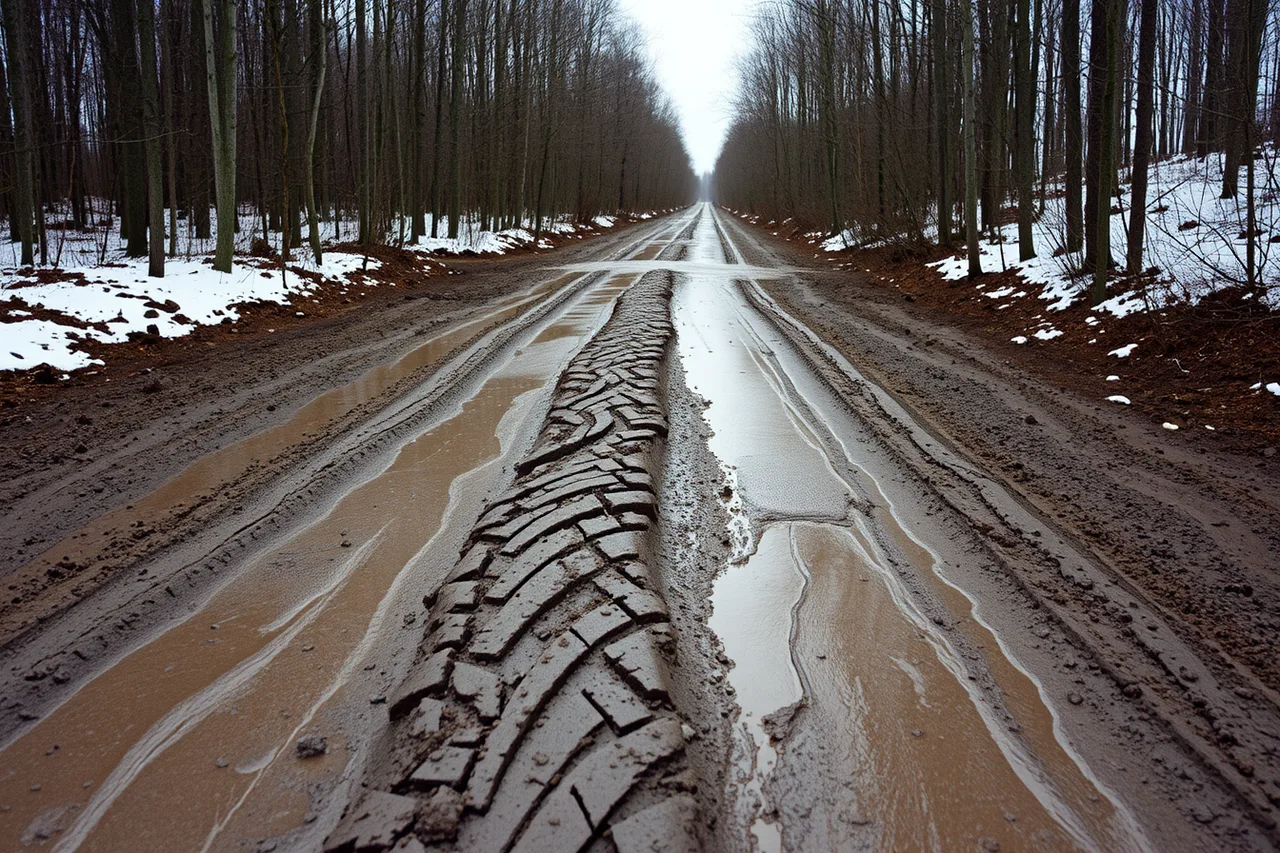
Spring thaw turns unpaved roads to mud and can close trails. Blackflies and mosquitoes arrive in late May and peak in June in Ontario, Quebec and the Atlantic provinces. A retreat that depends on hiking or outdoor sketching should plan around the worst weeks.
Fall is the cleaner shoulder. September and early October bring stable weather, good light and fewer people. Early snow can arrive in the Rockies and the northern prairies by mid October, which shortens the window.
Why shoulder season suits some residencies
Cost is the main draw. Accommodation and transport are cheaper outside July and August. Venues are quieter, which suits focused work. For a first Canadian residency, shoulder season is often the lowest-risk introduction.
Artists should pack retreat logistics against failure modes rather than a generic list, because shoulder season failures are specific: mud, insects, early snow and closed trails. The kit differs from a summer one.
Parks Canada access and closures that move retreat dates
Many Canadian residencies sit near or inside national parks. Banff Centre for Arts and Creativity operates in Banff, next to Banff National Park. Residencies in Gros Morne, Cape Breton Highlands and the Pacific Rim area depend on park access for their setting.
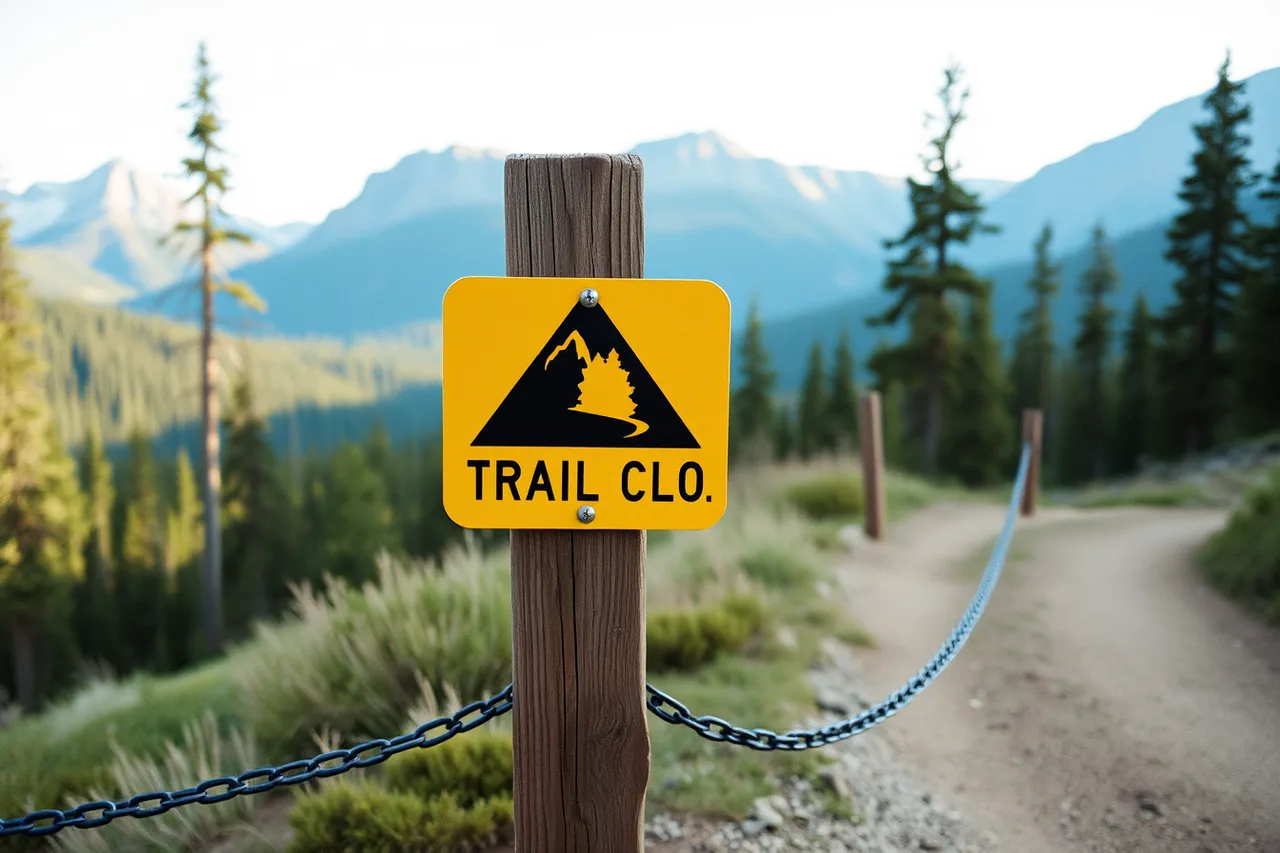
Parks Canada manages these places and sets the seasonal rules. Some closures run on fixed dates, and others follow conditions such as snow or fire risk. In the mountain parks, most front-country campgrounds close after the Thanksgiving weekend in October.
Campsite reservations for the mountain parks open in January for the following summer. The West Coast Trail in Pacific Rim National Park Reserve opens on May 1 and closes on September 30, and trail reservations also open in January.
Moraine Lake Road in Banff National Park has been closed to personal vehicles since 2023, with access by Parks Canada shuttle. The Icefields Parkway between Lake Louise and Jasper closes at times in winter for avalanche control.
Jasper National Park reopened to visitors in stages after the 2024 wildfire, so access there still shifts with the season.
A retreat that plans an outdoor component should check the National parks listings for the specific park before setting dates.
Closures that commonly affect retreats include seasonal road closures, trail closures for wildlife or fire, and permit requirements for commercial activity. Parks Canada research and policy documents on seasonal access are available through its policy library, which helps organizers understand the rules before applying.
Permits, fees and group rules
A retreat that brings a group into a national park for a workshop may need a permit. Commercial filming and some art activities fall under permit rules. Parks Canada sets the fee by park and activity.
Ask the park office for the current fee schedule in writing before advertising a date. Backcountry camping permits are required year round in most national parks.
Fire bans are another variable. A ban can cancel campfires, outdoor cooking and some events. Summer and early fall are the most common ban periods. A retreat with a fire-dependent programme should have a plan B.
Building a seasonal buffer into a residency booking
A buffer is time, money or both set aside for the season's known risks. It is not a vague contingency. It is a set of dates and terms written into the booking.
Seasonal booking buffer checklist
- Confirm fire season and smoke history
- Check daylight hours for exact dates
- Verify Parks Canada closures and permits
- Set cancellation terms naming smoke, thaw, storm
- Build two buffer days each side
- Identify indoor alternatives for outdoor work
- Confirm heating, filtration and food supply
Start with a two-day buffer on each side of a winter or remote travel window. Add a smoke clause to summer contracts. Add a thaw clause to spring bookings. Name the events that trigger a reschedule, such as a highway closure or an air quality advisory.
A booking checklist
- Confirm the region's fire season and smoke history for the chosen months.
- Check daylight hours for the exact dates and latitude.
- Verify Parks Canada closures, permits and fees for any park component.
- Set cancellation terms that name smoke, thaw, storm and closure.
- Build two buffer days on each side of winter and remote travel.
- Identify indoor alternatives for every outdoor activity.
- Confirm heating, filtration and food supply for remote winter stays.
A worked example
A ten-day painting residency in Banff in July. The organizer checks daylight, which is generous, and books outdoor sessions for morning. Smoke risk is real, so the contract names an air quality threshold that triggers indoor work.
Parks Canada trail closures are checked two weeks out. A two-day buffer sits before the start for travel. The result is a schedule that survives most summers.
A longer stay needs the same buffer, and pace retreat logistics should be planned around daylight and smoke risk rather than the calendar. Rushing a trip to beat a season is how artists lose days to weather they could have planned around.
Common questions
What is the best season for a Canadian residency?
It depends on the work. Late spring and fall shoulder seasons suit most studio practice, with steady daylight and lower risk. Winter suits northern light and isolation. Summer suits outdoor work.
When is wildfire smoke worst in Canada?
Late summer in most years. The smoke section above names the months, the regions and the air quality thresholds to write into a contract.
Where can I see the northern lights on a residency?
Yukon and northern Alberta offer the strongest aurora conditions, roughly late August to mid April. Whitehorse and the Peace River country are common bases. Clear, cold nights give the best viewing.
How much daylight does a northern residency get?
Whitehorse ranges from about five and a half hours at the winter solstice to more than nineteen at the summer solstice. Edmonton ranges from about seven and a half to seventeen hours. Southern cities have a narrower range.
Do Parks Canada closures affect retreat dates?
Yes. Campgrounds, roads and trails can close on fixed dates or on conditions such as snow and fire. Permits may be required for group or commercial activity. Check the specific park before booking.
What should a shoulder season booking include?
A thaw or early snow clause, insect protection, and indoor alternatives for outdoor activities. Shoulder season is cheaper and quieter, but the weather is less predictable than high summer.